Stories
Pick your journey
Craft
Crafted Connections
San’in's heritage of handcraft reflects its deep ties to earth and tradition. From fire-blasted iron to soft washi paper, the region is alive with craftsmanship rooted in local life and materials.
Workshops with artisans, studio visits, and hands-on craft sessions (e.g., washi paper, ceramics, iron-making) are available for custom groups.
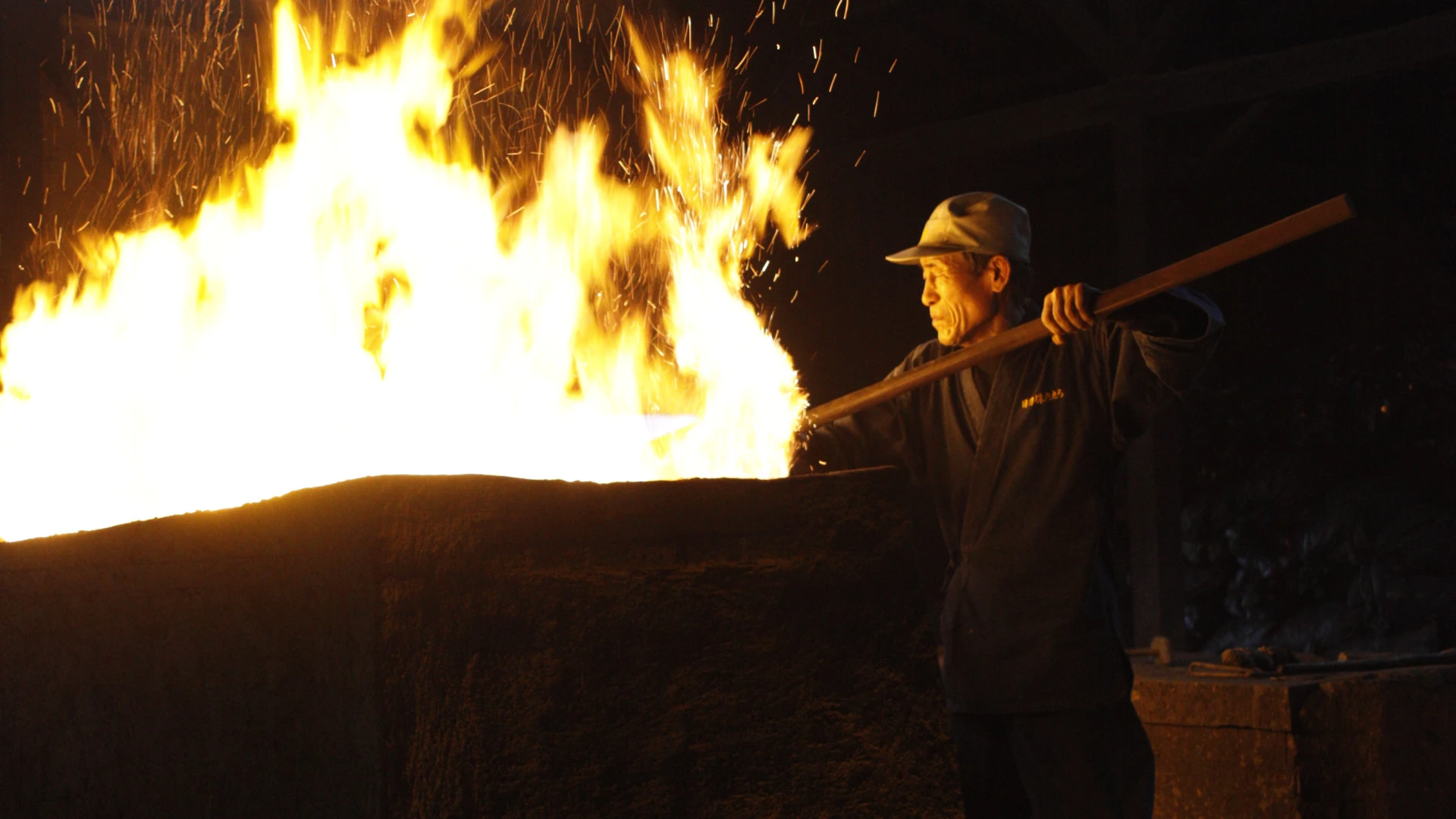
Once used to forge samurai swords, Tatara (Iron Making) is the ancient method of smelting iron sand into steel, and in some regions of Japan—such as Izumo—it is still demonstrated today.
You'll also learn about the art of satetsu (iron sand) extraction, the environmental impact of forest logging, and the creation of a circular agriculture system that allows humans, animals, and nature to coexist. Sharpen your knowledge of historic katana production with a glimpse into Japan's industrial mythos—and get a front-seat to history being made by taking part in demonstrations or hands-on workshops.
Keep your camera ready, as the terraced rice fields nearby are a sight you won't want to forget.
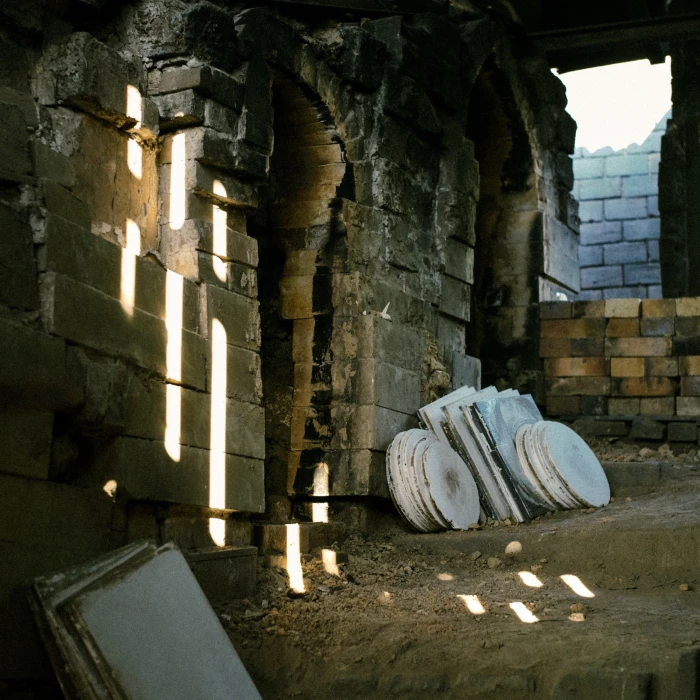
Mingei Pottery crafted in folk art kilns such as Shussai kilns (in Izumo, Shimane) and Ushinoto kilns (in Tottori), reflect an accessible, functional beauty that spun into reality with the anonymous artisans of the San’in folk craft movement.
These kilns reflect the Mingei spirit: usefulness and elegance born from nature and daily life. Using local materials and tools, craftsmen sought to imbue everyday objects with the joy of traditional and modern designs.
Even to this day, the affordable, functional beauty of Mingei ware pottery can be seen in Japanese homes and restaurants.
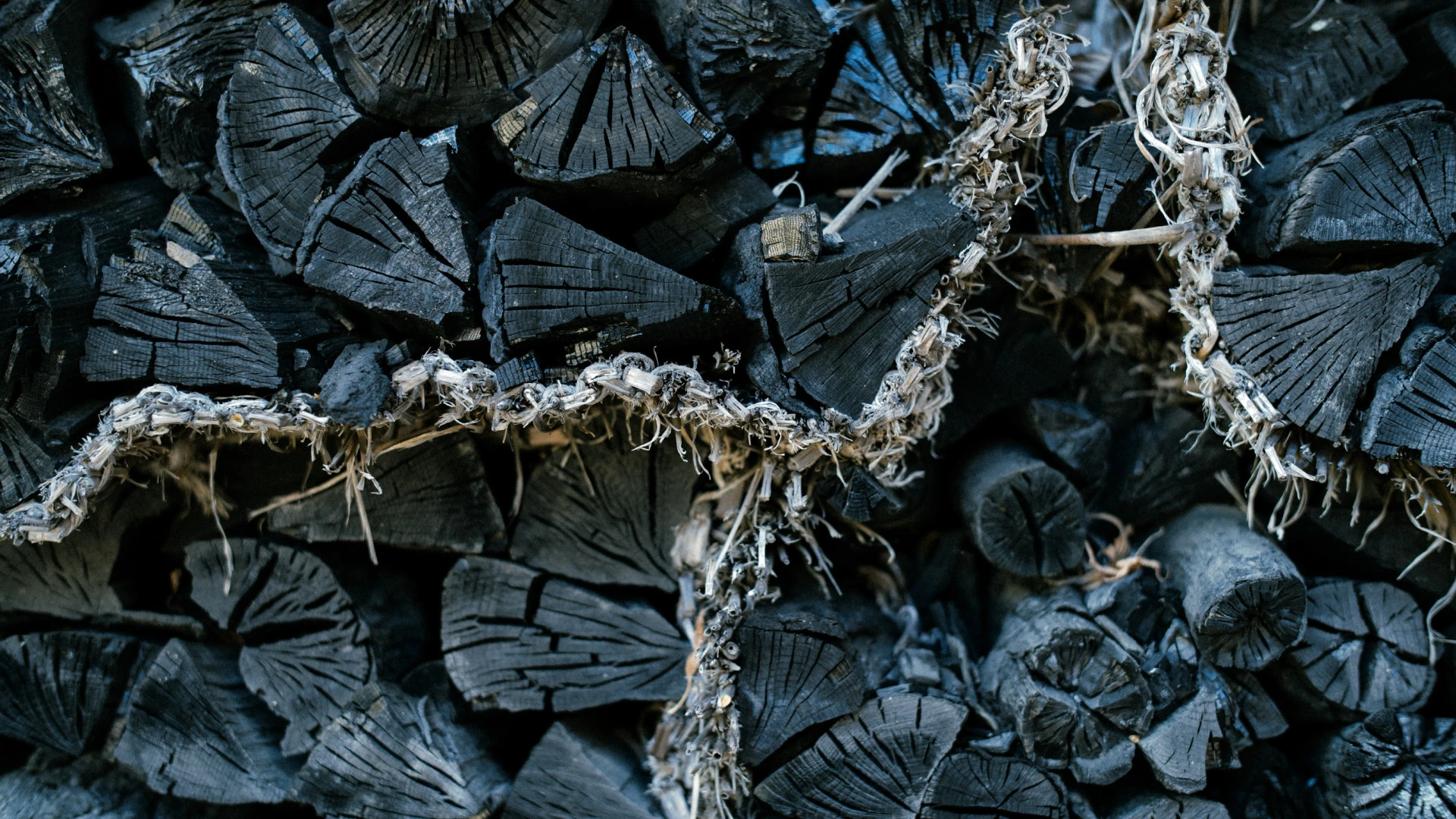
From indigo-dyed textiles to carved wooden kitchen tools and handmade washi paper, San’in's washi and woodwork folk crafts reflect the spirit of Mingei — beauty in the everyday.
Rooted in natural materials and shaped by the rhythms of rural life, these objects express a quiet harmony between human hands and the surrounding landscape.
Related Stories
-
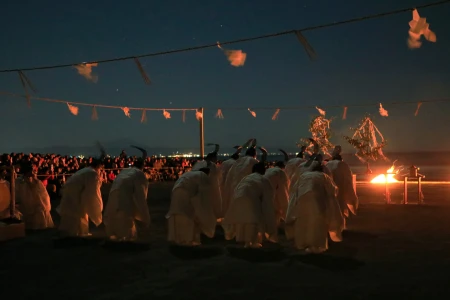
Land of Gods
San’in is often called the land of the gods — and for good reason.
-
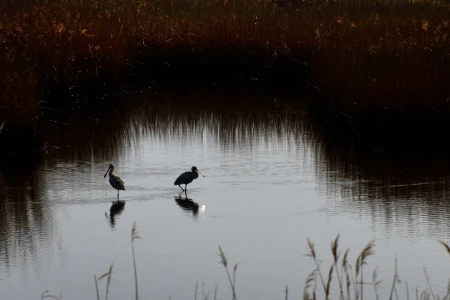
Let Nature Awaken Your Spirit
From Japan's largest beech forest to shifting sand dunes sculpted by the wind, San’in's landscape is both dramatic and gentle.
-
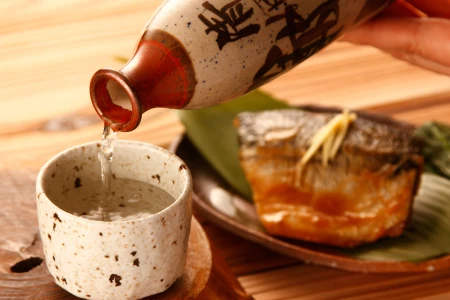
Savor San’in
San’in's food culture is shaped by its seasons, sea, soil, and spirit.